How I Talked a GPU Owner Out of Building a Token Factory Over Dinner
GPUs plus open-source parts do not make a token factory. Each layer hides 10–30× efficiency gaps. Tokens are commodities; TSMC-style neutrality wins.
13 min read
67 posts
GPUs plus open-source parts do not make a token factory. Each layer hides 10–30× efficiency gaps. Tokens are commodities; TSMC-style neutrality wins.
Codex GPT-5.5 clusters reasoning at 516; Claude Code secretly marks Chinese users. When cloud AI silently degrades, open-weight self-hosting is the hedge.
GPT 5.6 looks strong, but only ~20 U.S.-approved partners can use it; I realize intelligence you can buy is already fair, while permission is the real gap.
Our three weeks' tuning hit next-day P&L. Token economics cuts tech-to-profit: Zhipu 8x in 6mo; OpenAI Codex 5M/wk (GPT-5.5); MiniMax beat Baidu, fell.
I found Fable 5 swapped to Opus 4.8; U.S. Commerce banned it in three days. Closed-source AI can vanish overnight; Chinese open-source models step in.
Fable 5 ran a 15-hour task for $420. After June 22 it leaves Coding Plan for API rates, a 10x cost jump: access to top intelligence is a wealth problem.
Top models tie on GPQA at 92–94%, yet real-world results diverge. Three skills now split: hard problems, rough tasks, open exploration; the last is hardest to measure.
Claude Opus 4.8 kept failing my research and engineering tasks, so I moved them to GPT 5.5. Top models rotate—NVIDIA, AMD, and Zhipu prove survival wins.
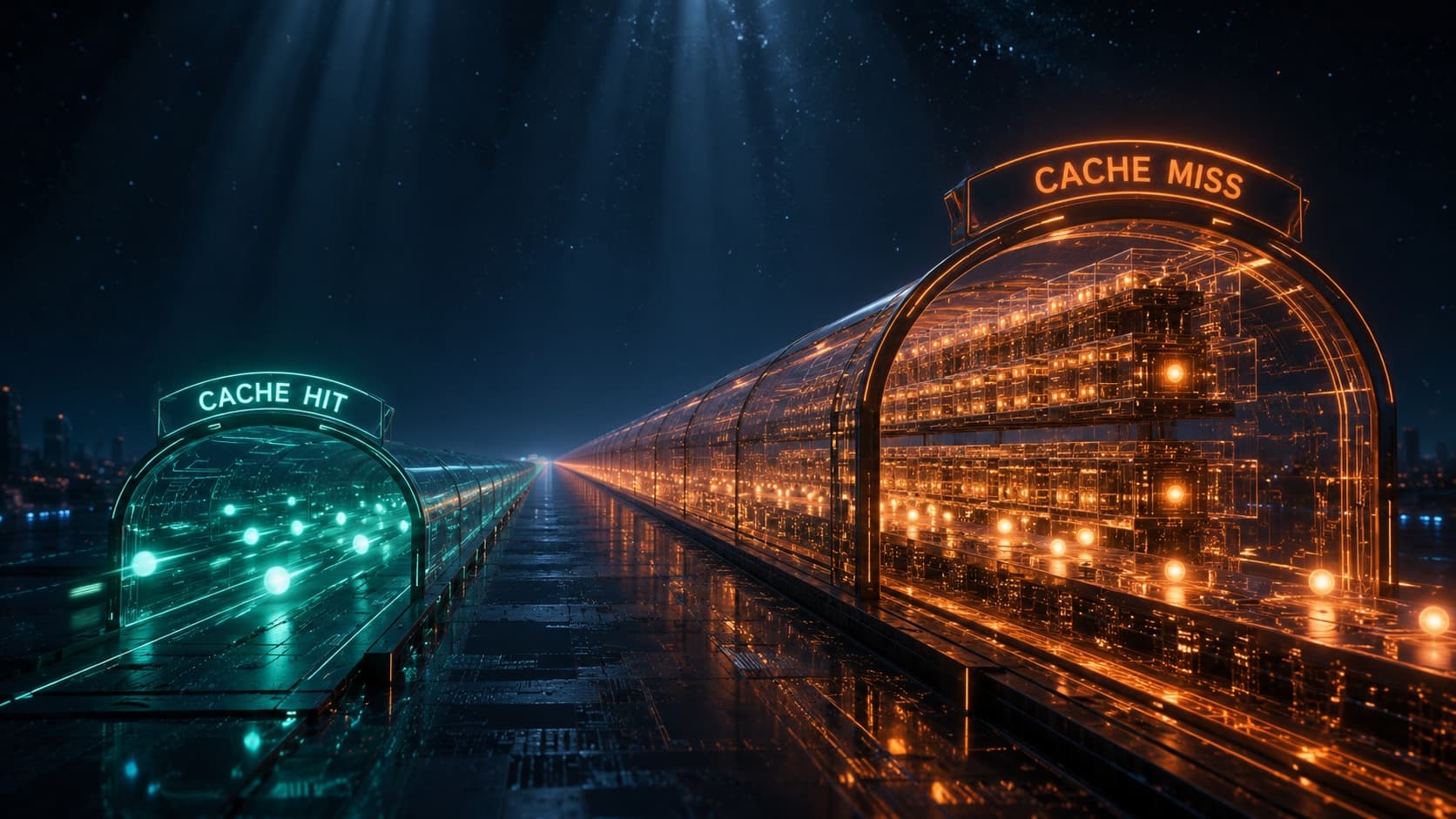
Token cost is often judged by TTFT, TPOT, and throughput, but a 10x bill swing comes from KV cache hits, not speed. Model, server, and user layers must align.
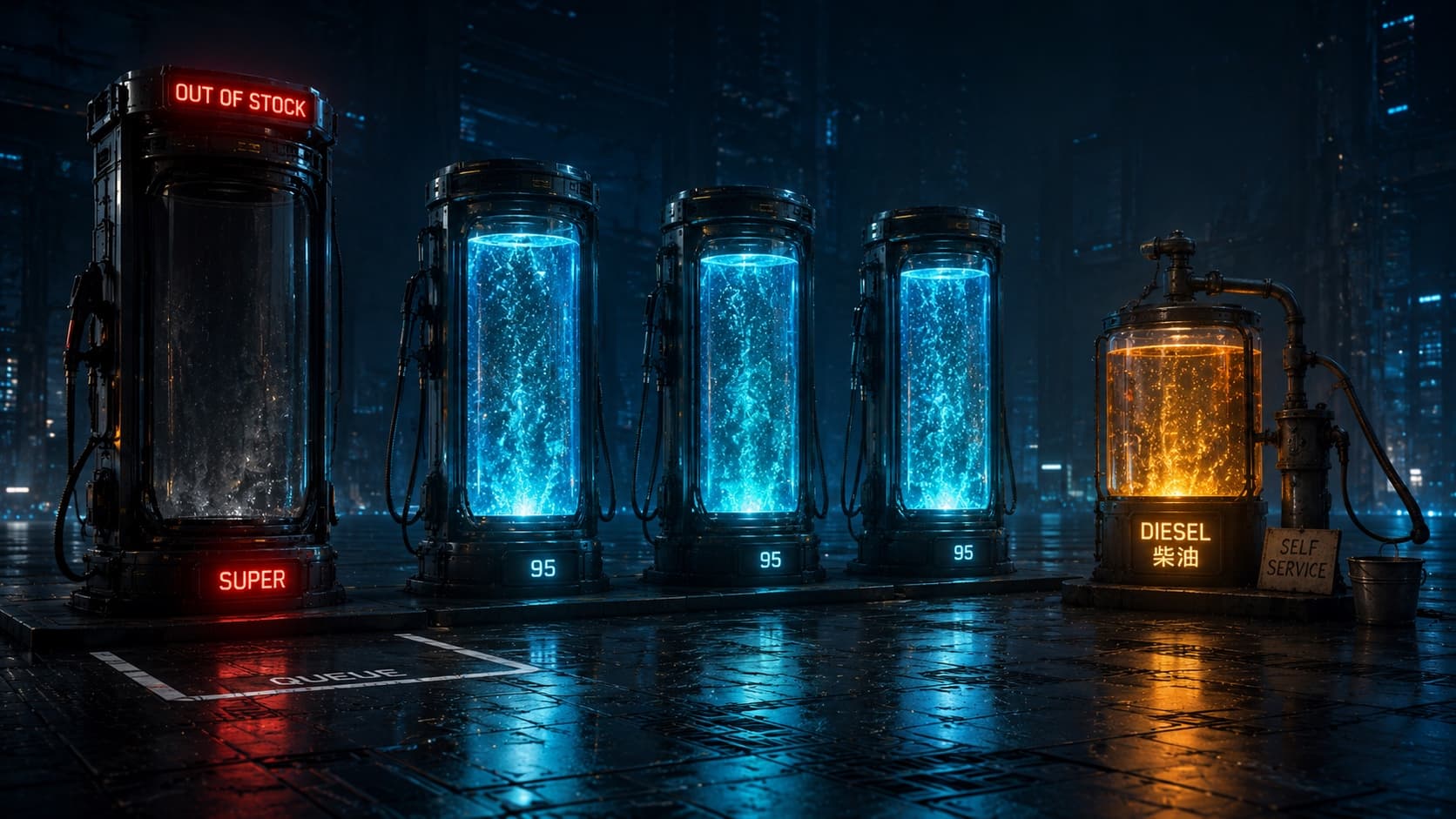
GPT-5.5/Opus 4.7 demand is near-infinite, mid-tier models vanish, low-end compute idles; tokens resemble electricity but act like a mismatched gas station.
I said ignorance helps. Agents burned me four times: inflated benchmarks, a bricked machine, spinning optimization, missed goals. Lesson: dare, but verify.
Gemini 3.5 Flash and Zhipu GLM-5.1's 400 token/s mode show that crossing ~5× inference speed unlocks a different product category, not just faster answers.
I attended AMD's Shanghai dev conference: 2000+ attendees, one of two awards went to a non-coder who used an AI agent to rewrite code in Rust for speedup.
I used Codex's /goal for weeks, then tested Claude Code's new /goal on tasks Codex failed; the behavioral difference is striking enough to document.
Talking with friends about AI agents, everyone asks me to explain to their boss. But real change has never come from a single training session.
Trump brought Musk, Jensen Huang, Cook to China—red carpets, state banquets, equal dialogue. 77 years ago it couldn't feed itself; two generations did it.
AI content pipelines taught me demo-to-production takes 3× time, not 50%—the gap is quality checks and retries. Mid-tier models and local compute fit there.
South Korea eyes AI dividends as Samsung unions strike. Between job losses and a deeper question: when work no longer defines value, what gives identity?
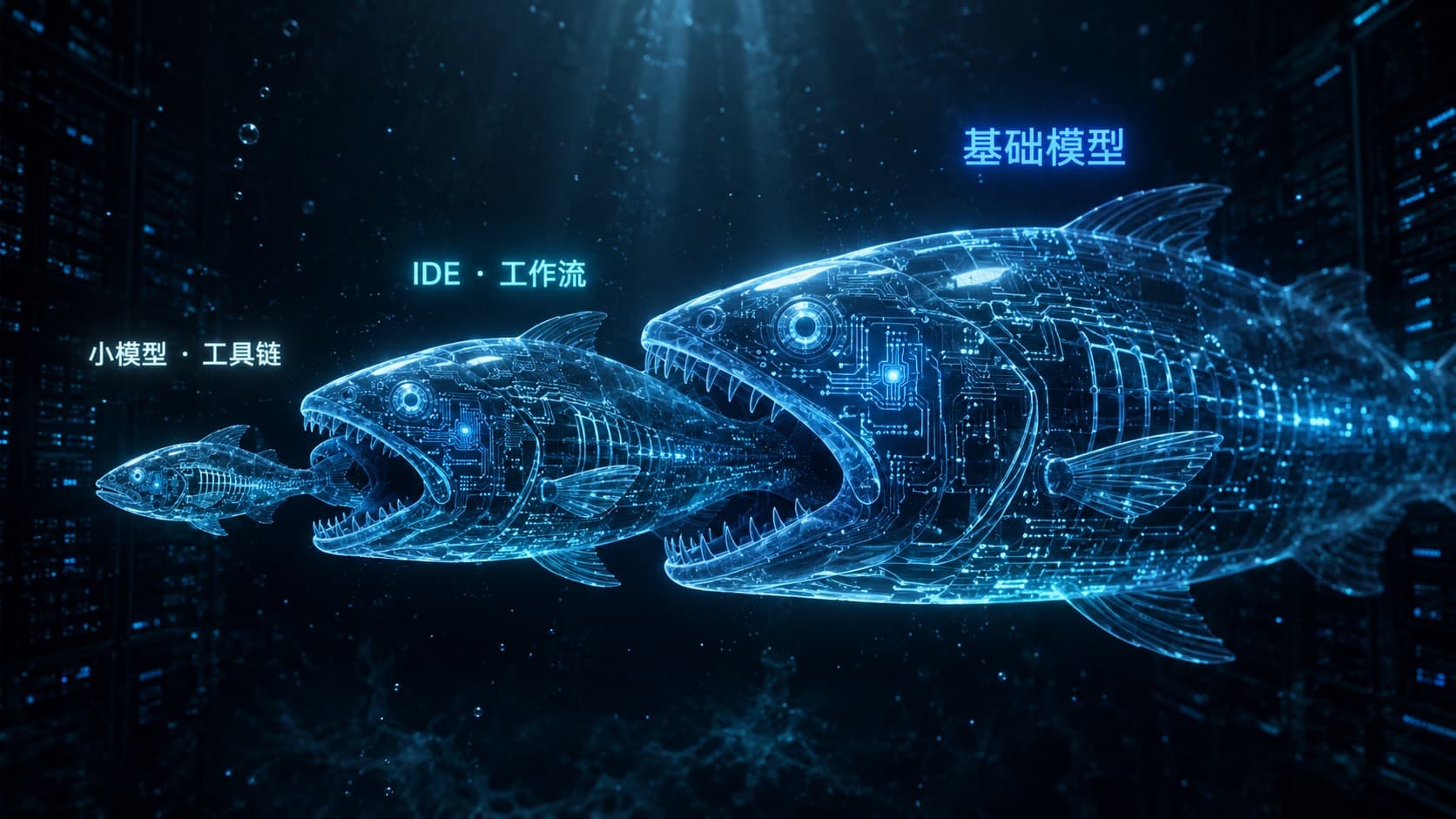
Five years, GitHub Copilot to Claude Code: coding proved right; foundation models swallowed small models, workflow tools, IDEs. What remains isn't software.
A friend asked if I'd take an AI transformation role. My take: don't save money, avoid IDEs, keep agents inspectable. GPT-5.5, two weeks old; 10 weeks left.
Where to start vibe coding? Two paths: work or a digital identity. Only publish the real you—Kevin Hart's decade-old tweets show the internet remembers.
DeepSeek's 300B round didn't surprise me. Liang Wenfeng investing 20B at the high valuation he set with outside investors did—something I haven't seen before.
Codex APP agents burned a Pro account in two days for little gain; Codex CLI Goal fixed it. I blamed the model; agents are maturing; no screen babysitting.
700+ AI Infra experiments cost me 35 hours on startup. I blamed GPT-5.5 fast mode, but GPUs waited on CPUs; Intel moves CPU:GPU from 1:8 to 1:1.
After a week with GPT-5.5 and Opus 4.7, I learned stronger models don't remove the human burden: Claude paused, GPT-5.5 killed a direction; I still steered.
Two weeks with GPT-5.5 (SPUD): I've mostly dropped Claude Code. The leap isn't a few percent gain—old weaknesses fixed make agent design philosophy clear.
AI meant machine learning, then ChatGPT, now agents. The term stayed the same but its meaning shifted three times; most still rely on outdated ideas.
60-person startup banned; 110-person firm billed, suspended; Altman firebombed; Meta's token-waste ranking. What should companies, nations, individuals control?
AI for science hits paywall, wet-lab, perception—not models. Tao: intelligence's Copernican revolution may grow 8.8M researchers to hundreds of millions.
Liam Price used GPT-5.4 Pro for 80 minutes to solve a 60-year Erdős conjecture experts misread. AI gives everyone near-free leverage: create or polish.
GPT-5.5 arrived six weeks after 5.4; Opus 4.7 followed 4.6 in two months. GPT now sounds human, Opus doesn't, and judgment's half-life keeps shrinking.
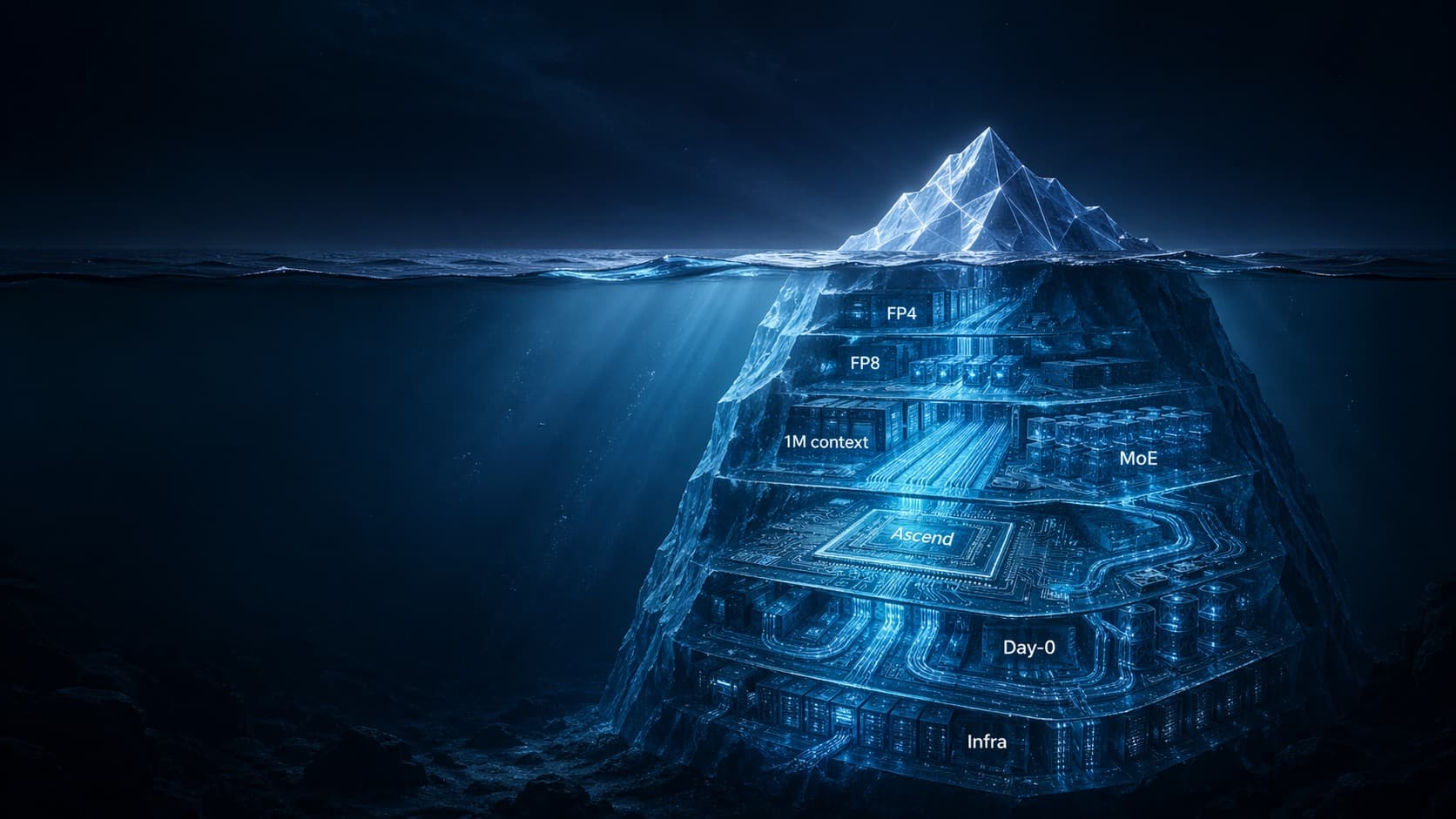
DeepSeek V4 matches Opus 4.6, but FP4, 1M-token context, and day-0 chip support stress inference infra. GPT-5.5, Vision Banana, and LPM 1.0 landed too.
I built a PAW Patrol literacy game for my son in a day and a half with a coding agent. My wife finally felt AI land in our living room.
LLM pricing is stuck: chip controls cap supply, while three user groups pull demand into different shapes. The once-obvious Coding Plan is now under fire.
GitHub stars are instant, but shipping something usable is a slog. I explain why vibe coding doesn't close the gap: what Jobs and Zhang Xiaolong share.
Karpathy dropped 'vibe coding'; Amazon requires senior sign-off on AI code. I explain how AI coding changed breadth, speed, and quality—but not ownership.
Cheng Li-wun's mainland trip, Xiaomi joke to Lei Jun, and livestream bypassing mainstream media show a Spring-and-Autumn-style opening for new leadership.
Opus 4.7 kept me up. I tested it, merged OpenClaude PRs, and pushed Strix Halo Qwen3-30B prefill to DGX Spark levels. Agents make parallel work real.
Anthropic's real-name rule stirred China, but I expected it: since 2023, AI has been at war over chip bans, military contracts, and model lockouts.
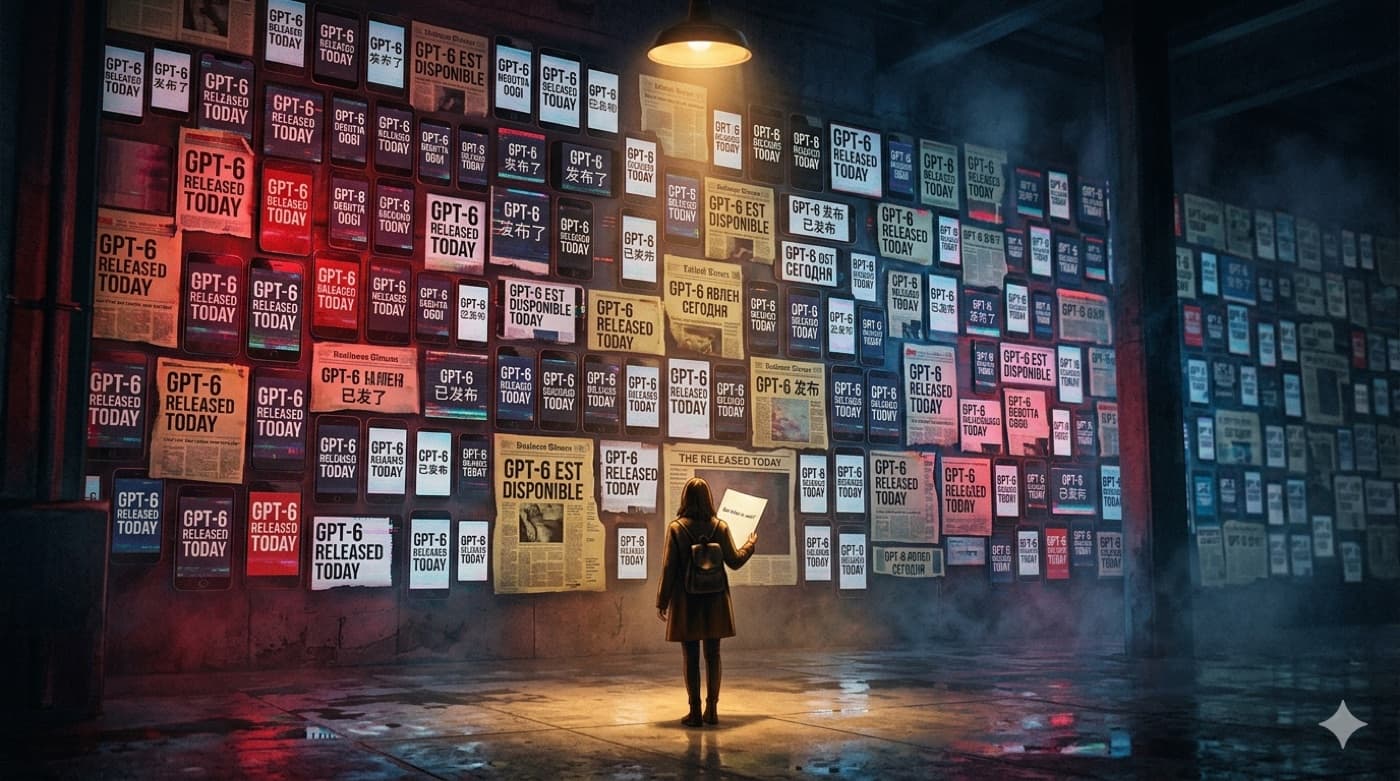
Another GPT-6 'release' went viral: fake news wins attention, real reporting is a niche. AI is making the problem worse, so I moved us back to Claude Code.
I wasted four hours on Claude Code's Chrome extension; Xiaohongshu posts got soft-throttled. AI didn't turn failure into success—it made failure faster.
Production is cheap; speed wins. Karpathy: 700 experiments, 2 days; Lei Jun: polls in days. Digital identity is the top personal leverage—act by year-end.
AI coding doesn't cut failures; it speeds them up. Chrome plugin took four hours, a search; my Xiaohongshu test flopped. 3 rounds in 3 months clear blockers.
GitHub is becoming Xiaohongshu and official accounts, GitHub. A dumpling-shop owner vibe-codes a skill; agent interoperability, not skills, is the shift.
Aima Service retrospective: like an ER, users want care, not decor. One week with Claude Code + Codex, we shipped 1.3M lines; the code-volume moat is gone.
Jensen Huang: coding agents change the world, but only millions use them. Three mental gaps—not skills—block adoption; 95% of PC work can be delegated.
HappyHorse topped video charts anonymously, yet squatters took its domains and HuggingFace name. The real issue: the hardware economics of private text-to-video demand.
How do open-source models make money? DeepSeek's numbers show model and cloud companies converging, with open source as the cheapest acquisition channel.
Coding agents debug better than they code; MemPalace got 7,000 stars in two days; Anthropic's Mythos found OS/browser zero-days; design ahead of the model.
Researching text-to-video, I found Chinese dominance in open-source LLMs hasn't reached every domain. From LLaMA to Qwen to DeepSeek, what changed?
Coding and content creation diverge. Seedance 2.0 API launch made waves; agent-to-agent is 100x faster than meetings, I can play ball without business talk.
Zhang Xue pushed tolerance from 5 silk to 3; Zhu Miming spent ten years on AR glasses. What unites them isn't smarts—it's passion, and AI amplifies it.
DeepSeek hit 100M with zero budget; Claude Code ships every 1.1 days; DingTalk, Feishu, WeCom copied a feature in 3 days. Money & buzz don't decide results.
Zhang Xuefeng's death, the OpenClaw founder's post-sale crisis, and the AI fortune-telling boom show technology outpacing our answers for how to live.
AI builds software for a few thousand dollars in days, eroding the information edge and product comparisons behind bidding—the LLM market collapse again.
When creation and distribution costs near zero, platforms explode. Short video proved it; software repeats the pattern, and OpenClaw is worth watching.
AI startups are asked why they haven't shipped after nine days and ignored after a week. The real blockers are passion, focus, process, and stamina—not technology.
Zero-friction onboarding and strong AI can't sustain an agent. Users seeing opaque terminal commands feel fear, not awe. The missing pillar is gradual trust.
Five paradigms—prompts/RAG/fine-tuning/knowledge graphs/context engineering—in three years. Models improve, yet we can't make agents work in products.
Coding agents cut MVP costs to a few hundred yuan a day, ending the old ideation funnel. The bottleneck is now hypothesis generation, not execution.
Building beats meetings. As AI flattens skill gaps, collaboration may shift to passion-based roles, horse-race validation, and diversity as the edge.
MiniMax will surpass Baidu, which lacks a usable API. Traffic is moving from humans to Agents; infra not built for Agents will lose both users and machines.
After installing OpenClaw for others: its value hinges on the underlying model's execution power, and today's best experience sits in coding agents like Claude Code.
AI is already turning ideas into validated products within hours, weakening old 2000-yuan price anchors, and rewriting how we measure value.
A WeChat ban can erase you from thousands of contacts. Code leaks cost assets; photo leaks cost identity. In the AI era, digital identity ownership counts.
Big-company process is a burden in the AI shift: a 3-5 person team uses the same tools as ByteDance and Google—this is a 10-year window for founders.
I used Claude Code to write 300,000 lines in 10 days, hit a dead end, scrapped it, rebuilt in 48 hours with under 10,000 lines. Code: liability, not asset.